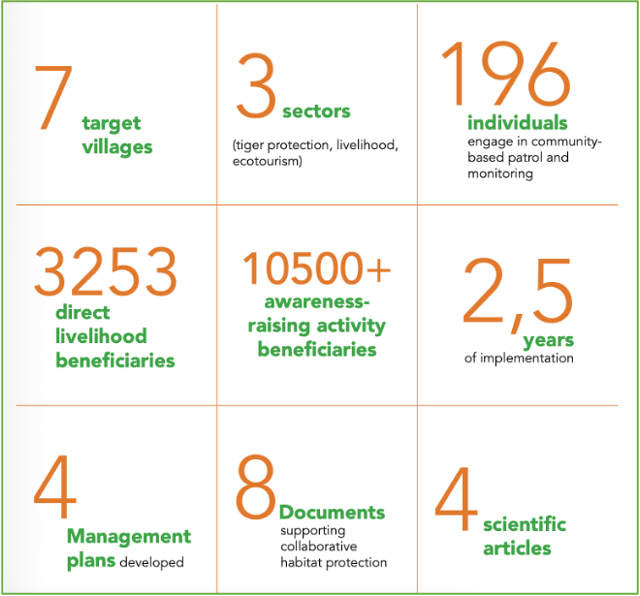
KERABAT Consortium, led by YAPEKA in partnership with INDECON and Forum HarimauKita (FHK), is spearheading a community-based conservation program in the Rimbang Baling Wildlife Reserve (RBWR), Kampar District, Riau Province, Indonesia. By working directly with local communities, protected area authorities, and key conservation stakeholders, the program aims to safeguard one of the last strongholds of the critically endangered Sumatran tiger (Panthera tigris sumatrae).
RBWR, covering approximately 142,156 hectares, is recognised as a core Sumatran tiger habitat in Central Sumatra, designated as a national strategic area and vital for tiger movement corridors. For over a century, it has also been home to indigenous communities whose sustainable livelihoods are deeply connected to the forest. Supported under the IUCN Integrated Tiger Habitat Conservation Programme (ITHCP[1]) Phase III, funded by BMZ[2] via KfW[3], the project aims to ensure communities recognise the value of tiger conservation while enhancing sustainable village development in the region.
Engaging Communities for Lasting Conservation Impact
Running from August 2022 to March 2025, our program’s vision is:
Communities in the Rimbang Baling landscape recognize the value of and actively engage in protecting tigers, as a result of inclusive conservation and improved human well-being.
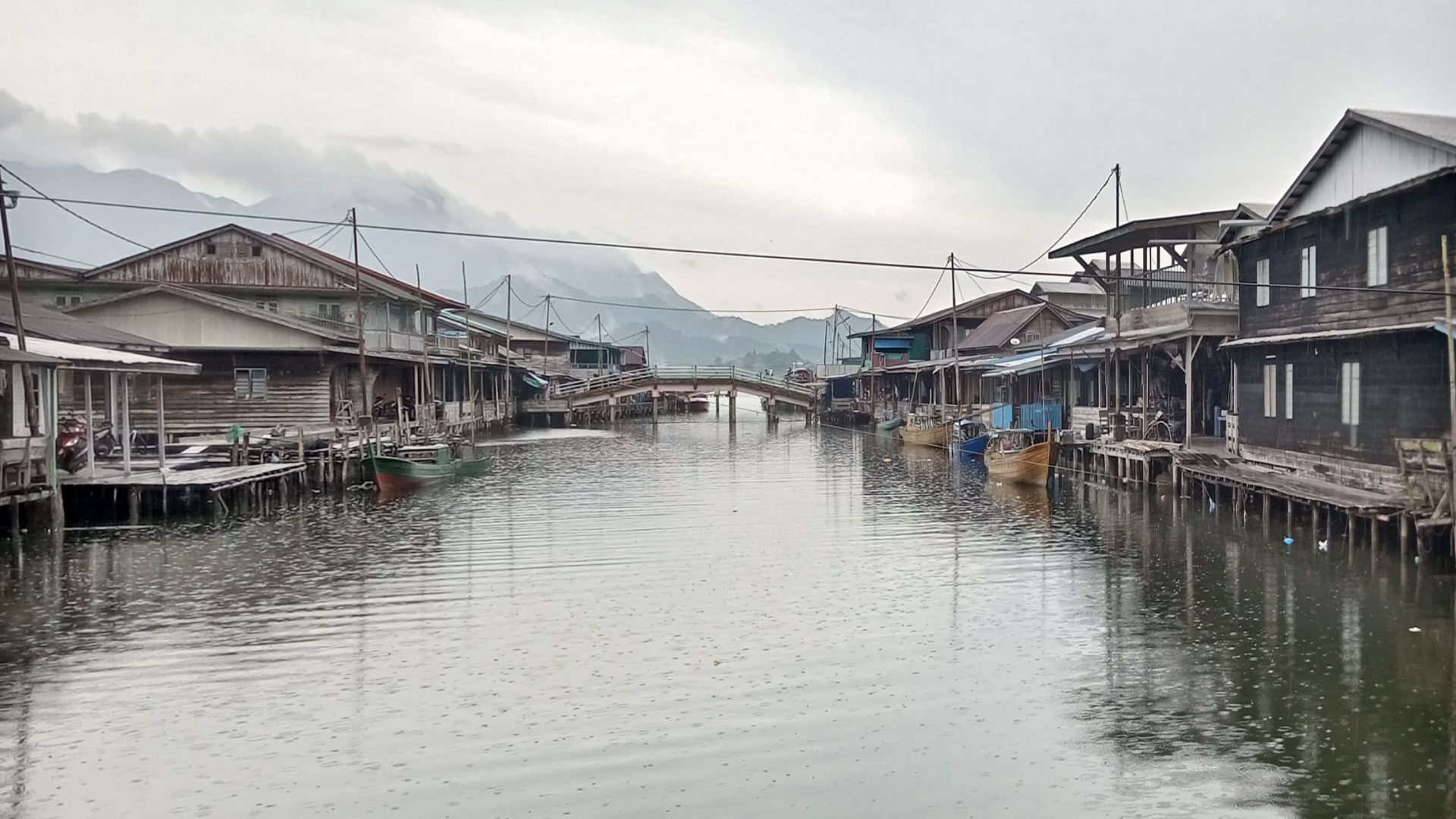
The initiative works in seven villages: Tanjung Belit, Muara Bio, Batu Sanggan, Tanjung Beringin, Gajah Bertalut, Aur Kuning, and Terusan. Five inside RBWR and two villages adjacent to it. These communities are both the direct beneficiaries and guardians of this critical wildlife conservation area.
KERABAT consortium actively collaborates with the Ministry of Environment and Forestry and the Riau Natural Resources Conservation Agency (BBKSDA), as the area management authority, in implementing this program in Rimbang Baling Wildlife Reserve. Not only that, the project also involves various stakeholders and cross-generations, such as Green Radio Line, Rumah Sunting, Riau Provincial Government, Kampar Regency Government, Kampar Kiri Hulu Sub-district, Village Heads, Universities, Schools (Elementary, Secondary, and High), Subayang Forum, Inter-Village Development Forum, and Media (local, national). This multi-stakeholder collaboration ensures that conservation extends beyond the reserve into the social, cultural, and economic life of the region.
Mutual Achievements
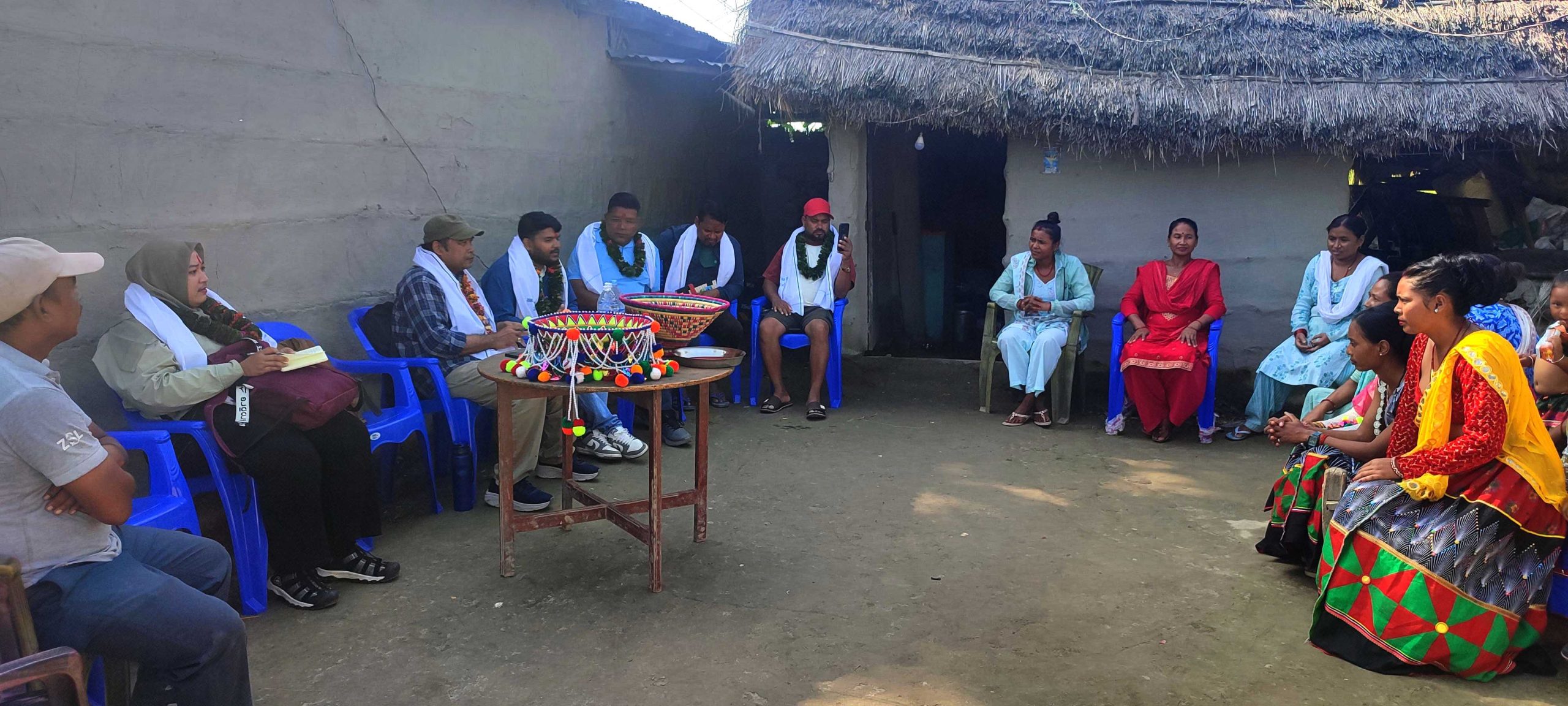
From 2022 to 2025, the KERABAT Consortium, together with local communities and key stakeholders, actively advanced conservation and sustainable livelihoods in the program sites. These achievements emerged from strong collaboration rather than the work of a single entity. Communities played a central role from start to finish—participating in the inception workshop, Free, Prior, and Informed Consent (FPIC) processes, socio-economic assessments, feasibility studies, and the creation of forest monitoring guidelines. Together, we carried out joint program planning, on-the-ground implementation, and participatory monitoring, ensuring that every step aligned with local needs and strengthened both biodiversity protection and community well-being. The following are the mutual achievements of the outcomes:
Collaborative Habitat Protection
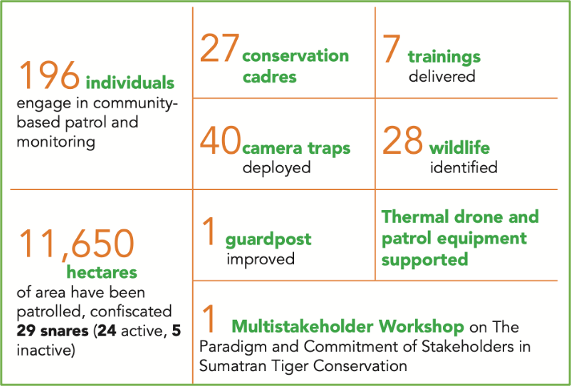
To safeguard the biodiversity of the Rimbang Baling Landscape, the program fosters various community-centred conservation initiatives. These include participatory patrols and monitoring, enhancement of guarding infrastructure, investigations into illegal poaching networks, and multi-stakeholder collaboration to protect wildlife habitats. One flagship initiative is the establishment of the Dubalang Survey Group Conservation Cadre (Kader Konservasi/Dubalang Adat), a community-based forest survey team comprised of 27 members from nine villages in and around the reserve.
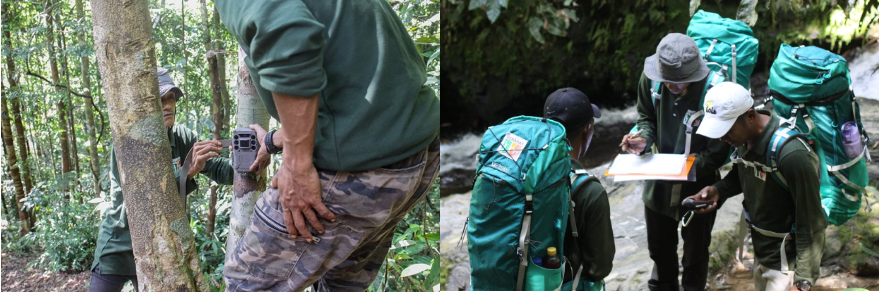
Serving dual roles as conservation ambassadors and active forest patrollers, the Dubalang Cadres raise awareness about the importance of preserving protected flora and fauna, especially the critically endangered Sumatran tiger, while carrying out patrols in partnership with the BBKSDA Riau conservation team. Officially recognised in November 2023 through decree SK.154/K.6/BIDTEK/SDM.2.0/11/2023, the group was formed following an intensive capacity-building program covering navigation, data collection, and technical skills for patrols. Since then, they have operated under the guidance of the Head of Conservation Area Division I, working closely with Bukit Baling Resort staff to ensure effective habitat protection.
Sustainable Livelihoods: Strengthening Communities While Protecting Nature
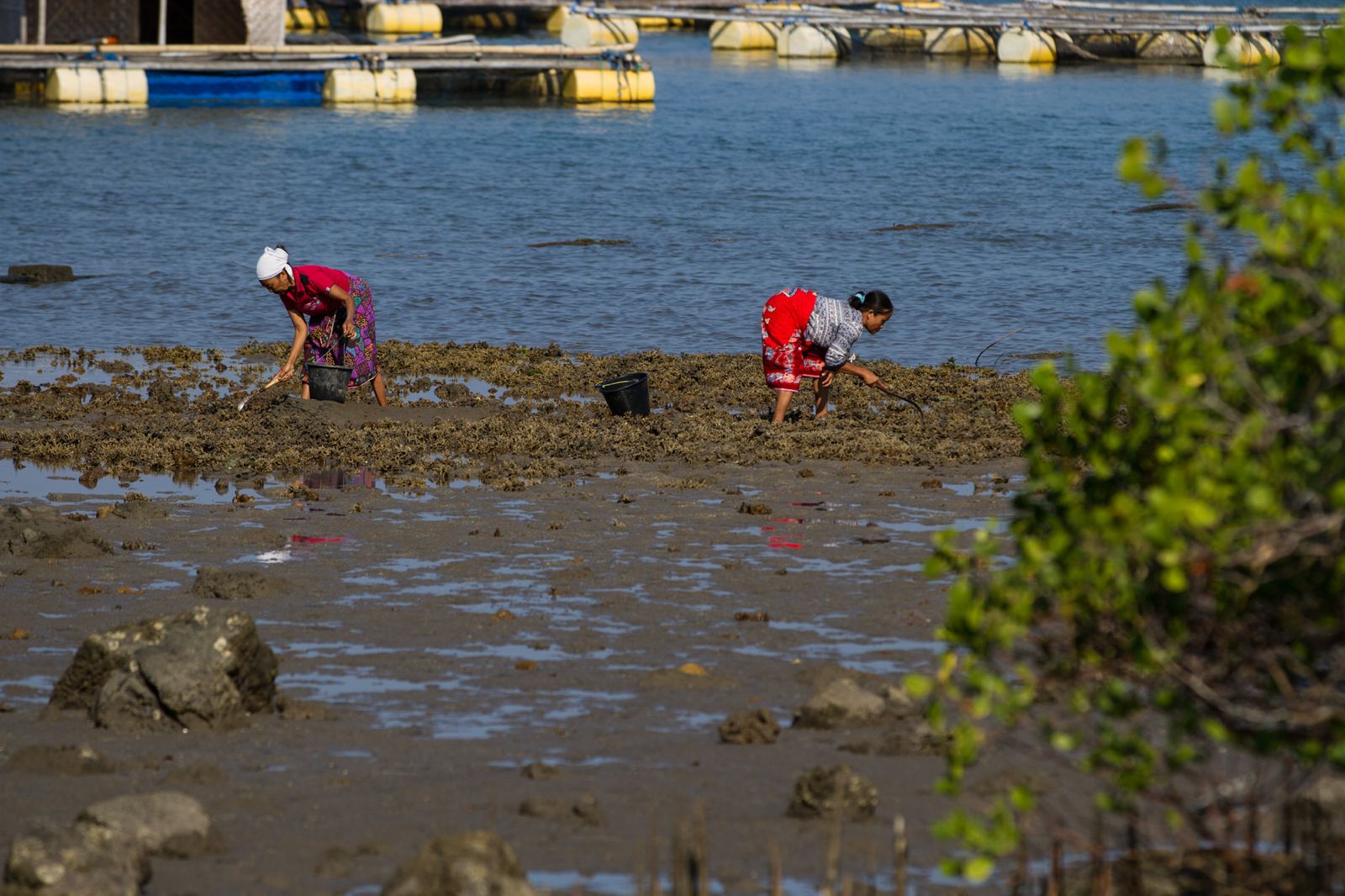
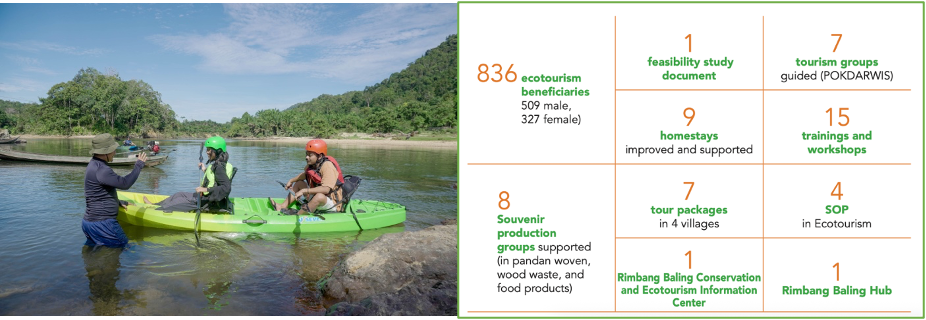
Alongside habitat protection, the program strengthens sustainable livelihood opportunities to align conservation goals with community needs. Partnerships have been developed to synchronise protected area management with sustainable village development, including work with the Inter-Village Communication Forum for sustainable rubber ecosystems, the management of non-timber forest products (NTFPs) and inland fisheries, women’s enterprise groups, and the Subayang Forum to address waste management challenges.
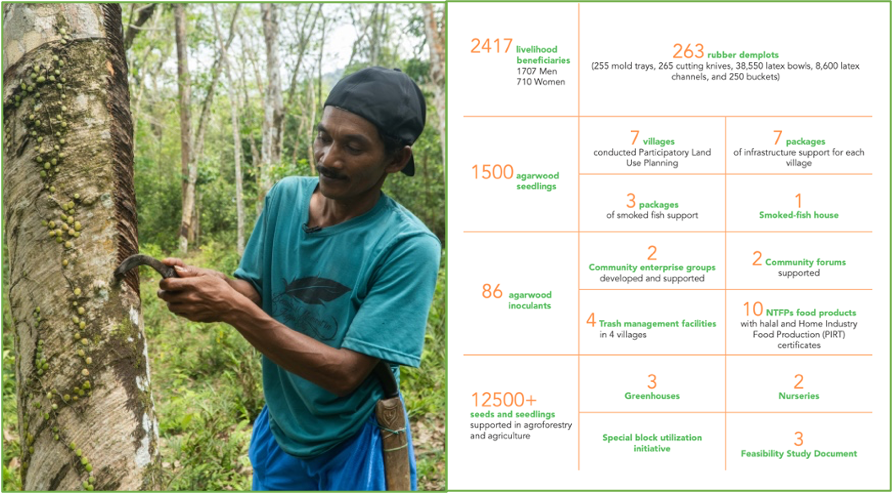
Cultural and economic initiatives such as KaRimba Fest in the framework of the Indonesia Tourism Village Award (ADWI) 2024, participation in the Indonesian Ecotourism Network (TJEI), and the Indonesian Ecotourism Fair (IEF) have further diversified income sources. These activities not only reduce economic pressures that contribute to forest degradation but also build pride in local culture, creating a stronger foundation for conservation-driven development.
Media, Culture, and Collective Action for Tiger Conservation
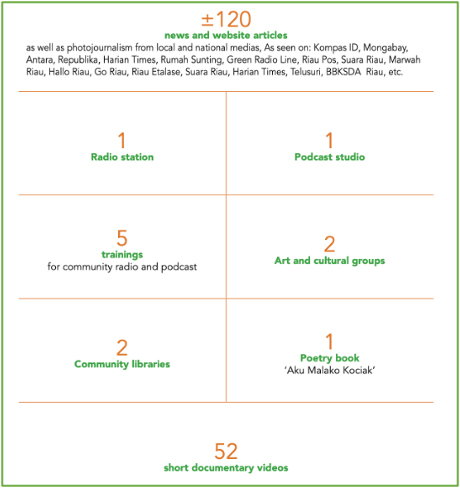
The success of the program is deeply rooted in the support of media and cultural networks, which amplify conservation messages and inspire action. KERABAT consortium has actively engaged local, regional, and national stakeholders through awareness campaigns, cultural events, and creative media platforms. Signature activities include World Tiger Day celebrations, art festivals, Lintas Subayang Community Radio, the Swararimba Podcast, and collaborations with cultural groups such as Ujung Bukit and Linayungan Art and Cultural Group.
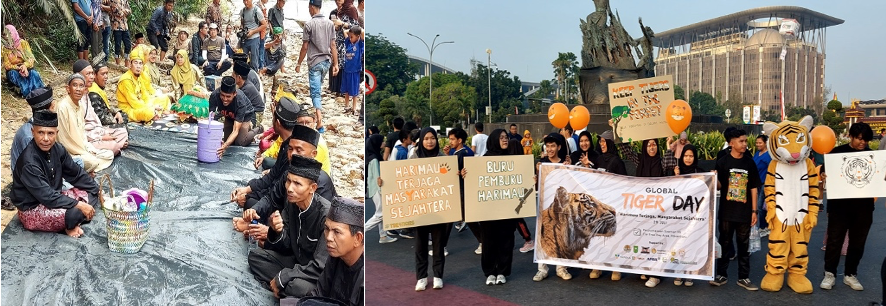
These efforts blend traditional expression with modern communication, creating a shared sense of purpose across different community groups. By integrating art, culture, and storytelling into conservation, our program strengthens public support for the vision of “Human and Tiger Coexistence”, where people in the Rimbang Baling Landscape actively protect tigers while improving their well-being and in line with the vision of the ITHCP Phase III “Communities in the Rimbang Baling landscape recognise the value of and actively engage in protecting tigers, as a result of inclusive conservation and improved human well-being”.
This project is supported by IUCN’s Integrated Tiger Habitat Conservation Programme, funded by the German Cooperation via the KfW Development Bank. The contents of this article are the sole responsibility of the KERABAT Consortium and do not necessarily reflect the views of IUCN, the German Cooperation or KfW.
[1] https://iucnsos.org/initiative/integrated-tiger-habitat-conservation-programme/
[2] Facebook: @BMZ.Bund; Twitter: @BMZ_Bund
[3] Twitter: @KfW LinkedIn: @KfW