Laporan Program

Home > Laporan Program

Laporan Program

Pemberdayaan masyarakat adalah kunci untuk menciptakan perubahan yang berkelanjutan

ITHCP Phase III Project Report

IUCN/KfW through ITHCP-Phase III funded KERABAT Consortium, led by YAPEKA in collaboration with INDECON and Forum HarimauKita (FHK) in Rimbang-Baling Wildlife Reserve (RBWR), Central Sumatera-Indonesia and cooperated with BBKSDA Riau Province, which is a unique area for the remaining tiger population and the local community in the central Sumatran landscape.

Running from August 2022 to March 2025, the project’s objective is to ensure that “People in Rimbang Baling landscape recognise the value of and actively engage in protecting tigers, as a result of inclusive conservation and improved human well-being”. This will promote inclusive tiger conservation and sustainable livelihoods in RBWR. The project is implemented in seven villages, five of which are located inside the RBWR and two adjacent to the RBWR. Those target villages are Tanjung Belit, Muara Bio, Batu Sanggan, Tanjung Beringin, Gajah Bertalut, Aur Kuning, and Terusan.

Measuring The Economic Value Of Small-Scale Report Of Shark Fishery And Estimating The Economic Creation Value Of Shark Tourism In Sangihe Islands, North Sulawesi, Indonesia

Indonesia, ranked the world’s 3rd-largest shark exporter, still relies heavily on small scale shark fisheries, especially in Sangihe Islands where 99% of Batuwingkung fishers depend on sharks for their livelihood. Our 2023–2024 study recorded 343 sharks (15.179 kg) across eight species, most listed as Vulnerable to Near Threatened, with silky shark dominating the catch. Fishing peaks from September to April, concentrated in Napo Nenung and Napo Bowone, where CPUE and effort are highest. Strong historical trade ties with buyers since the 1960s persist, yet two of four active buyers lack permits, and most households remain economically vulnerable. Signs of stock pressure are evident from the 4:1 adult–juvenile ratio. Strengthened policy enforcement, improved fisher awareness, and the development of ecotourism as alternative income are urgently needed to support sustainable shark conservation in Sangihe.

Participatory Land Use Planning In Rimbang Baling Wildlife Reserve

The KERABAT Consortium, supported by KfW/IUCN, conducted participatory land use mapping in seven RB Wildlife Reserve (RBWR) villages to identify land use patterns and promote sustainable livelihoods. Activities included mapping training, discussion series, field surveys, consultations, and land use planning. The project revealed extensive mixed rubber forests vital for local livelihoods and identified potential communal lands for optimal use, supporting biodiversity protection and community sustainability.

NTFP Feasibility Study: Developing Sustainable Non-Timber Forest Products (NTFPs) to Support Improving Community Livelihoods in Rimbang Baling

The feasibility study was conducted around Rimbang Baling Wildlife Reserve and focused on five primary commodities: agarwood, durian, petai, rattan manau, and dragon blood. Recommendations include developing these NTFPs in designated blocks, using local resources, building community capacity, and strengthening market access through agreements between farmers and buyers for sustainable development.

Rubber Feasibility Study to Support Improving Community Livelihoods in Bukit Rimbang Bukit Baling Wildlife Reserve

The rubber feasibility study aims to value chains, market chains, rubber community development options, and potential rubber businesses from village to provincial levels. This study identified several key stakeholders including smallholders, middlemen, traders, and a rubber factory in Jambi. This study highlighted price fluctuations along the value chain and proposed strategies to enhance community livelihoods through several initiatives, such as facilitating potential partners and capacity building to increase rubber production.

Feasibility Study of Inland Fisheries Development based on Strategic Flagship Commodities at Bukit Rimbang Bukit Baling Wildlife Reserve (BRBBWR)

The study aims to identify existing and potential economic activities, assess business feasibility, and formulate policies for sustainable inland fisheries development to support community livelihood in the Subayang River area (Rimbang Baling Wildlife Area). This study highlighted ‘Lubuk Larangan’, a fisheries management based on local wisdom to restrict fishing activities for a certain period of time.

Access Restrictions Analysis in Protection Block of Bukit Rimbang Bukit Baling Wildlife Reserve, Riau, Sumatra.

Bukit Rimbang Bukit Baling Wildlife Reserve (BRBB WR/SM BRBB) in Riau Province, Indonesia is managed under the Block Management System, and the reserve is divided into: Protection Block, Utilization Block, Rehabilitation Block, Special Block and Religious, Cultural and Historical Block.

About 3,278.67 Ha of mixed-rubber plantations are located in the Protection Block, and access restrictions in the current Protection Block has affected more than 90% of communities in five villages inside SM BRBB (In Batu Sanggan, Tanjung Beringin, Gajah Bertalut, Aur Kuning and Terusan villages) as village communities are still using and depend on the mixed-rubber plantation areas in the protection block.

To understand the impact of access restrictions in the Protection Block of SM BRBB, an analysis of access restrictions was performed adopting the IUCN Guideline for mitigating impacts of access restrictions.

Socioeconomic assessment in Rimbang Baling

A series of discussion and socioeconomic surveys was conducted to update socioeconomic information about he communities living within and around the Rimbang Baling Wildlife Reserve Landscape, Riau, Sumatra. This document includes more specific information on seven villages within and around Rimbang Baling Wildlife Reserve, which are the key villages for the Tiger Programme (ITHCP) Phase III work between 2022 and 2024.

Laporan Analisa Rencana Pembangunan Desa di kawasan Rimbang Baling.

Rimbang Baling didiami oleh masyarakat yang telah lama tinggal di Kawasan tersebut sebelum ditetapkan sebagai suaka margasatwa. Setidaknya terdapat 24 desa di Kecamatan Kampar Kiri Hulu, Kabupaten Kampar dan 7 diantaranya merupakan desa-desa yang menjadi focus pendampingan Konsorsium KERABAT. Desa-desa tersebut telah memiliki Rencana Pengelolaan Jangka Menengah Desa (RPJM Desa) yang merupakan bagian penting dalam perencanaan pembangunan. Saat ini, terdapat tantangan dikarenakan adanya pengelolaan blok kawasan suaka margasatwa, dimana terdapat 5 desa yang masuk dalam kawasan SM dan Sebagian kebun milik masyarakat (karet) berada dalam blok perlindungan. Untuk itu diperlukan pendekatan dalam pengelolaan kawasan konservasi dan pengembangan mata pencaharian masyarakat.

Bergandengan Melindungi

Bersama Melindungi: YAPEKA untuk Pemberdayaan dan Konservasi Alam.

Ritual Adat Ekskavasi Kerangka Paus

Tim dalam melakukan penggalian atau ekskavasi tak luput dengan kearifan lokal yang ada, yang sebelum melakukan penggalian terlebih dahulu melaksanakann ritual adat untuk meminta izin kepada leluhur agar pekerjaan lancar hingga proses penyelesaian akhir
Berikutnya

Small-scale shark fishery in Sangihe Islands, North Sulawesi

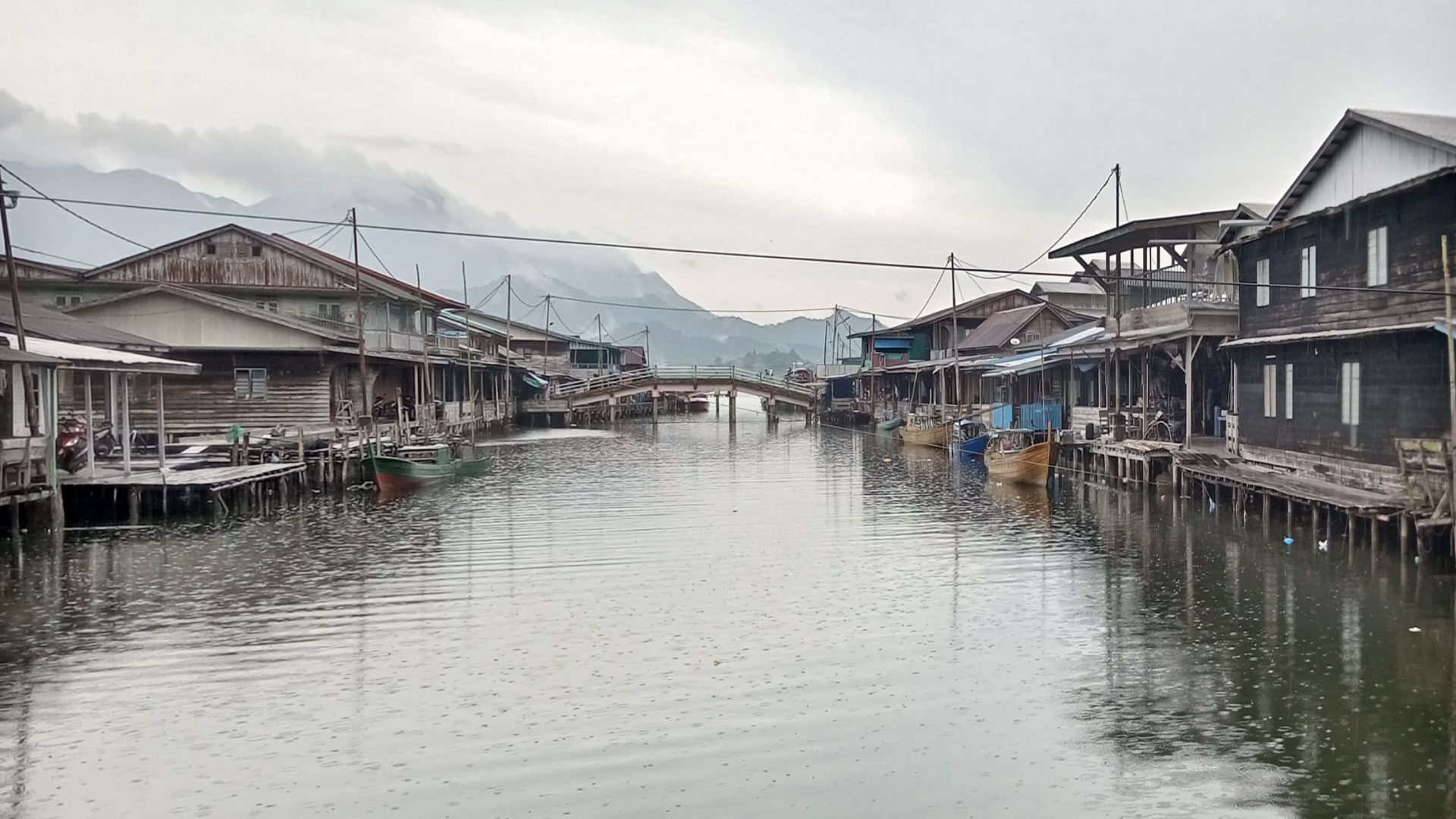
YAPEKA discovered a one-of-a-kind village on Batuwingkung Island, where over 90% of the fishers rely on shark fishing over generations. To better understand the operations of shark fishermen, merchants, and other stakeholders, we undertook a socioeconomic and environmental evaluation. We are also monitoring the catch at landing sites and assessing the catch trend with the support of local enumerators. We identified the species name, fishing effort, and fishing location, as well as the catch’s weight, length, and gender.

Berikutnya

Pelatihan Pengolahan Rumput laut dan Pengolahan hasil Perikanan di pulau Nusamanuk, Kabupaten Rote Ndao

Nusamanuk terkenal sebagai salah satu penghasil rumput laut di kabupaten Rote, serta memiliki komoditas hasil laut yaitu ikan kering dan Teripang.
Umumnya masyarakat menjual secara langsung tanpa diolah untuk hasil rumput lautnya, kami melalui kegiatan ini mencoba mengenalkan produk makanan hasil olahan dari Rumput laut yang bisa dilakukan swadaya oleh masyarakat. Serta mengenalkan alternatif pengolahan komoditas laut berupa ikan kering dan Teripang.

Berikutnya

” Penutupan Rumah Boboca”

Sejak 26 Februari 2022, Masyarakat desa Bulutui, Kec. Likupang Barat, Kab. Minahasa Utara. Melakukan penutupan rumah Boboca, yang sebelumnya di buka selama sepekan atau 7 hari.

Berikutnya